Kevin Goergen is a doctoral researcher at the University of Luxembourg, currently working on Luxembourg’s colonial entanglements from the 1880s to the 1970s. His research primarily focuses on the historical connections between Luxembourg and the colonial Congo. While Luxembourgers have been present in colonies across Africa since the 1880s, most were involved in colonial projects in the Congo Basin. Luxembourg’s colonial past highlights colonialism without colonies – similar to the cases of Switzerland and Scandinavian countries such as Finland – and invites us to consider its meaning in the present day.
In a series of four blog posts, Kevin reflects on his research trip to Kinshasa in November/December 2024. Beyond his archival work at the INACO, he explores how traces of Luxembourg’s colonial history remain visible in the city’s landscape and daily life. His reflections also consider his own position – as a white historian – navigating the complexities of fieldwork in the DRC.
[Part 4] From Notes to Narratives
Three weeks in Kinshasa felt way too short. I would’ve loved to stay longer, but the travel grant only covered a limited time. Still, the trip was incredibly enriching—both for my research and personally. Besides diving into the archives, a big part of the experience was just trying to sync up with the rhythm of the city.
The archival materials I worked with come from a time long past, yet the traces of colonialism are still clearly visible in many aspects of life today. As both a historian and a human being, I believe it’s essential to be physically present in the places we study. It reminds me that historical research isn’t just about documents – it’s embedded in real, lived environments. Being on the ground – seeing, hearing, smelling, feeling the atmosphere – adds dimensions that no document can fully capture. If it were only about reading files, I could’ve just stayed in Brussels and accessed the Archives africaines – records that were originally produced right here in Kinshasa or elsewhere in Congo. My trip reinforced something I strongly believe: historical research is about more than just sitting in archives.
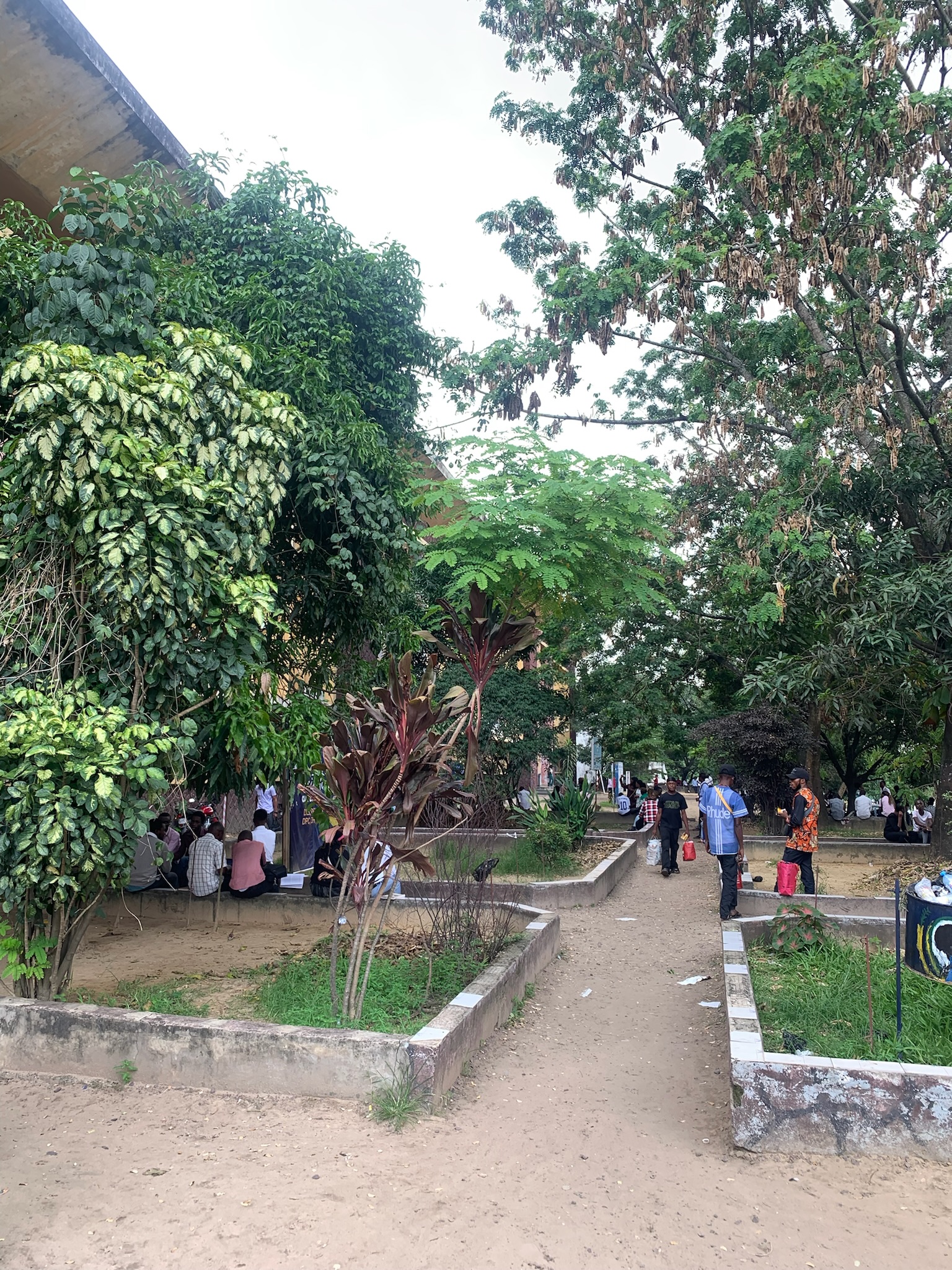
When I visited the university of Kinshasa, I had conversations with Congolese PhD candidates about how their research is limited – not only by a lack of access to European archives, but also by the inability to experience the former metropole firsthand. This gap exacerbates disparities in academia.
The only difficult or negative experience happened on my way back to the airport. A soldier at the entrance wouldn’t let me through unless I paid. I only had dollars left and didn’t want to hand them over. I pretended I was frequently travelling to Kinshasa and asked why this fee was suddenly a thing now and not before. We went back and forth for a while until another soldier came over and waved me through.
Inside the airport, I was told I needed a ‘Go Pass’ costing $50. I hadn’t heard anything about that before and was a bit confused. Then I saw a group of people rush out of the check-in area toward a small office. Curious, I asked a nearby person what was happening; they said those people had simply forgotten to get their Go Pass. I followed them and got mine too.
I had arrived three hours before my flight, as advised, although traffic wasn’t too bad that day. Waiting for the flight gave me time to observe how things work here. First, my suitcase was checked and tagged. Then, once boarding was called, I went through check-in, dropped off my bag, passed through security, where they asked for the Go Pass and finally made it to the gate. As the plane took off, I looked out over the Congo River, carrying so much history with it. I couldn’t help but wonder when I’ll be back.
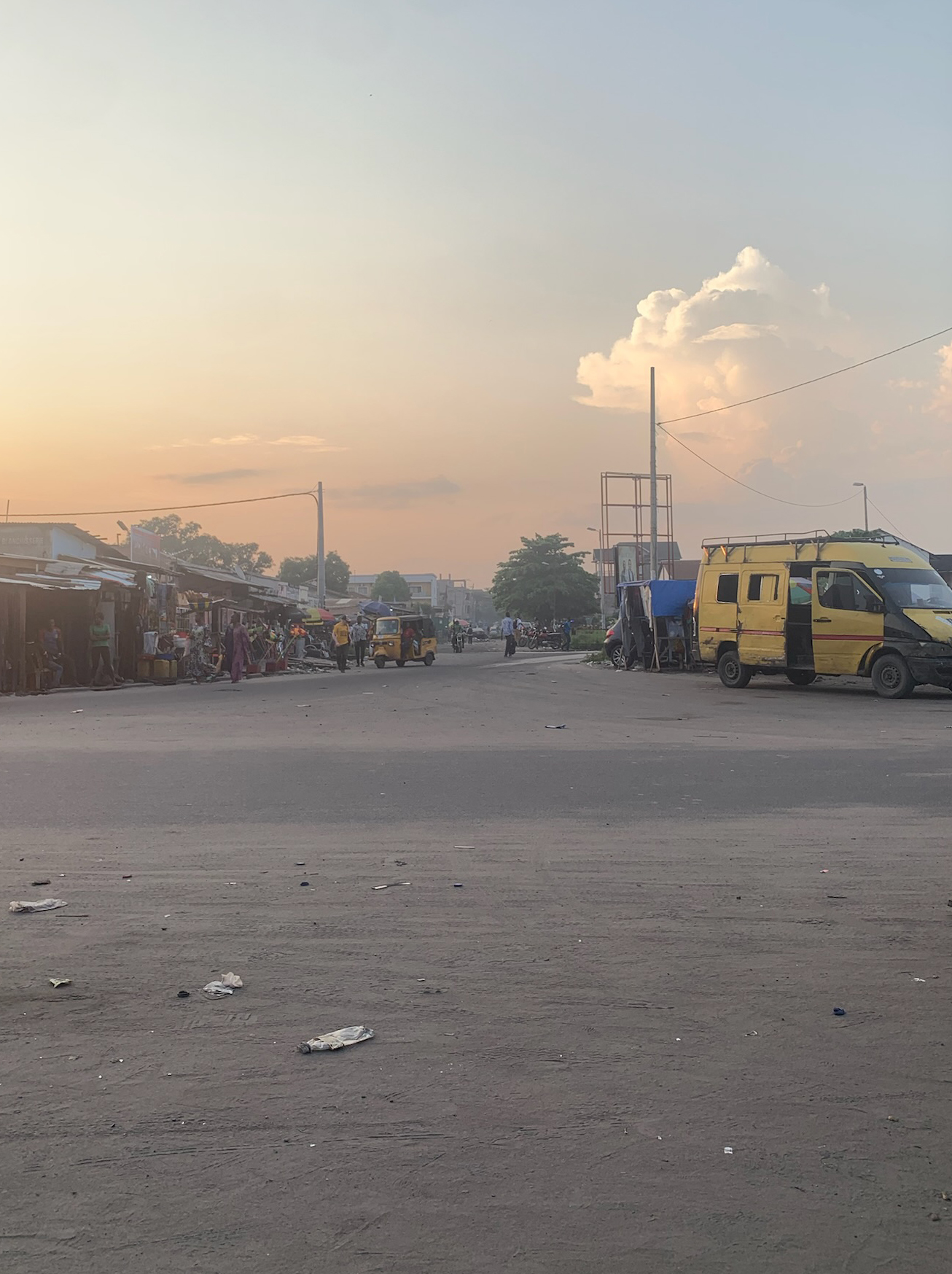
Back in Europe, the first question almost everyone asked was: ‘So, how was it?’ And I realized whatever story I tell shapes how people imagine Kinshasa. Even while I was there, people asked me how Congo is seen in Europe. In the end, this report is part of that narrative too. What we say, what we write – it all contributes to the narrative.

 congo research network
Discussion
Comments are closed.